
Courses Built Around How People Actually Learn
We structure our programs around three core ideas: you need time to practice what you're learning, you learn better when someone shows you the messy parts, and switching between group sessions and one-on-one help makes complicated topics stick. Our courses run for weeks, not days, because that's how long it takes to get comfortable with new material. You work through problems during live sessions with an instructor who can answer questions when you're stuck, and you can book private time if something isn't clicking.

How the structure works
Every course follows the same pattern. You start with a live group session where we introduce the week's topic and work through examples together. Then you spend time on your own going through exercises and reading material. Twice a week, you can join drop-in sessions where instructors answer questions about whatever you're working on. If you get stuck on something specific or want to explore a topic deeper, you book a private session with an instructor who knows that subject area.
Weekly group sessions
These run for 90 minutes and cover the core material for that week. The instructor walks through concepts, demonstrates techniques, and works through examples with the group. You can ask questions during the session, and we often pause to let people try things out before moving forward. Sessions are capped at 18 people so there's enough room for everyone to participate.
Self-paced exercises
Between group sessions, you work through problem sets and exercises at your own speed. These aren't timed tests, they're designed to help you practice what was covered in the live session. Most people spend 3-5 hours per week on this material, but you can take more time if you need it. Everything stays accessible after the course ends, so you can revisit sections later.
Open office hours
Twice a week, instructors hold drop-in sessions where you can bring questions about the exercises or concepts you're struggling with. These are informal, there's no agenda or structure. Show up with what you're working on, and the instructor will help you figure out where you're getting stuck. Other students are usually working through similar problems, so you end up learning from watching how other people approach the same issues.
Private consultations
If you need more focused help, you can book time with an instructor one-on-one. These sessions run for 45 minutes and let you dig into specific problems or explore topics that interest you beyond what the course covers. Some students use these to get feedback on their own projects, others use them to go deeper into subjects that came up during group sessions. You get two private sessions included with each course, and you can book additional ones if needed.
Why this combination works
- Group sessions give you structured exposure to new concepts and let you see how other people think through problems. Watching someone else get stuck and work their way out teaches you debugging strategies you wouldn't develop on your own.
- Self-paced work lets you spend more time on sections that are difficult for you without holding back people who grasp things faster. You can revisit recorded sessions and reread materials until something makes sense.
- Office hours create space to ask the messy questions that don't fit neatly into structured lessons. Sometimes you just need someone to look at your code or diagram and point out what you're missing.
- Private sessions let you work on problems specific to your situation or interests. If you're trying to apply course concepts to a work project or want to explore an adjacent topic, an instructor can guide you without needing to keep the whole group on track.
- This format works because it acknowledges that everyone gets stuck in different places and needs different types of help at different times. Some weeks you'll mostly use the group sessions and exercises. Other weeks you'll need more one-on-one support. The structure flexes around how you're actually progressing.

People who teach these courses
Our instructors work in the fields they teach about. They're developers, analysts, and designers who build things professionally and spend part of their time teaching because they like helping people learn complex material. They're chosen because they can explain difficult concepts without oversimplifying and because they remember what it's like to be confused by something that later becomes obvious.

Henryk Wojcik
Backend systems and data architecture
Henryk spent eight years building database systems for financial platforms before starting to teach. He runs courses on data modeling and API design, focusing on the decisions that make systems easier to maintain over time. Students say his explanations of complex architectural patterns make more sense than most technical documentation.

Zuzanna Krawczyk
Frontend development and interface design
Zuzanna builds user interfaces for web applications and teaches courses on modern JavaScript frameworks and responsive design. She's particularly good at helping people understand why certain patterns exist in frontend development instead of just memorizing syntax. Her office hours usually focus on debugging layout problems and performance issues.
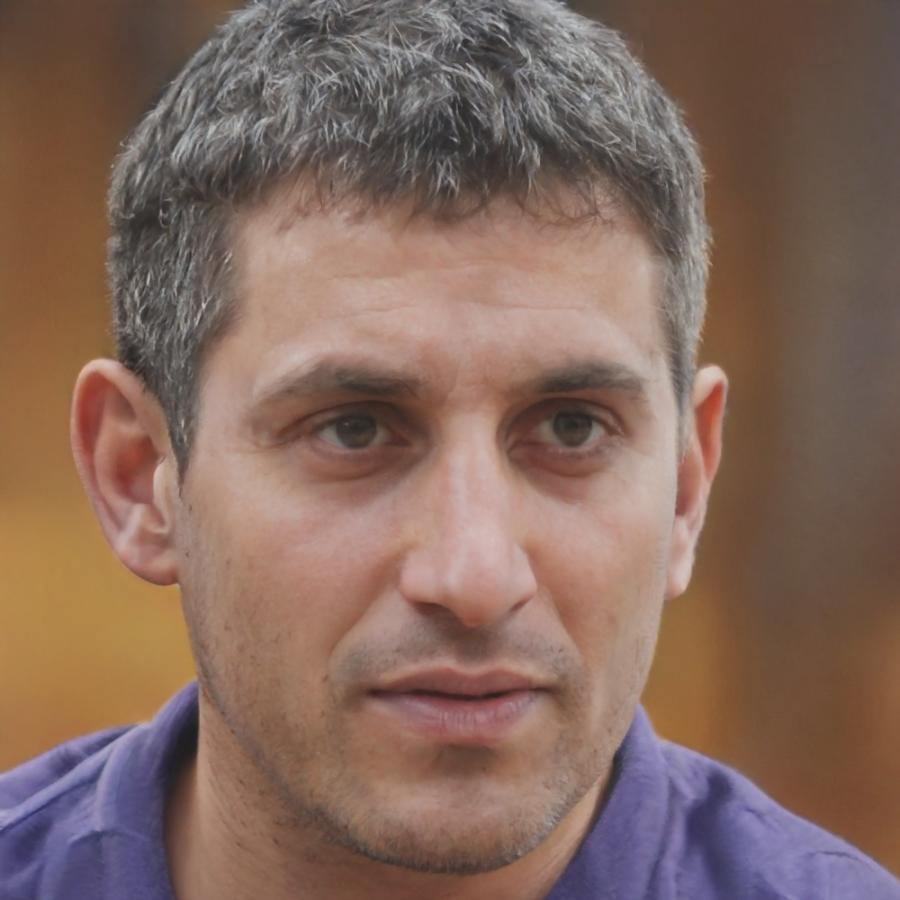
Oskar Dąbrowski
Data analysis and visualization
Oskar works as a data analyst for a logistics company and teaches courses on statistical methods and visualization techniques. He's especially helpful for people who need to extract insights from messy real-world data. His teaching style involves working through actual datasets with all their inconsistencies and missing values, so you learn how to handle problems that don't appear in clean tutorial examples.